
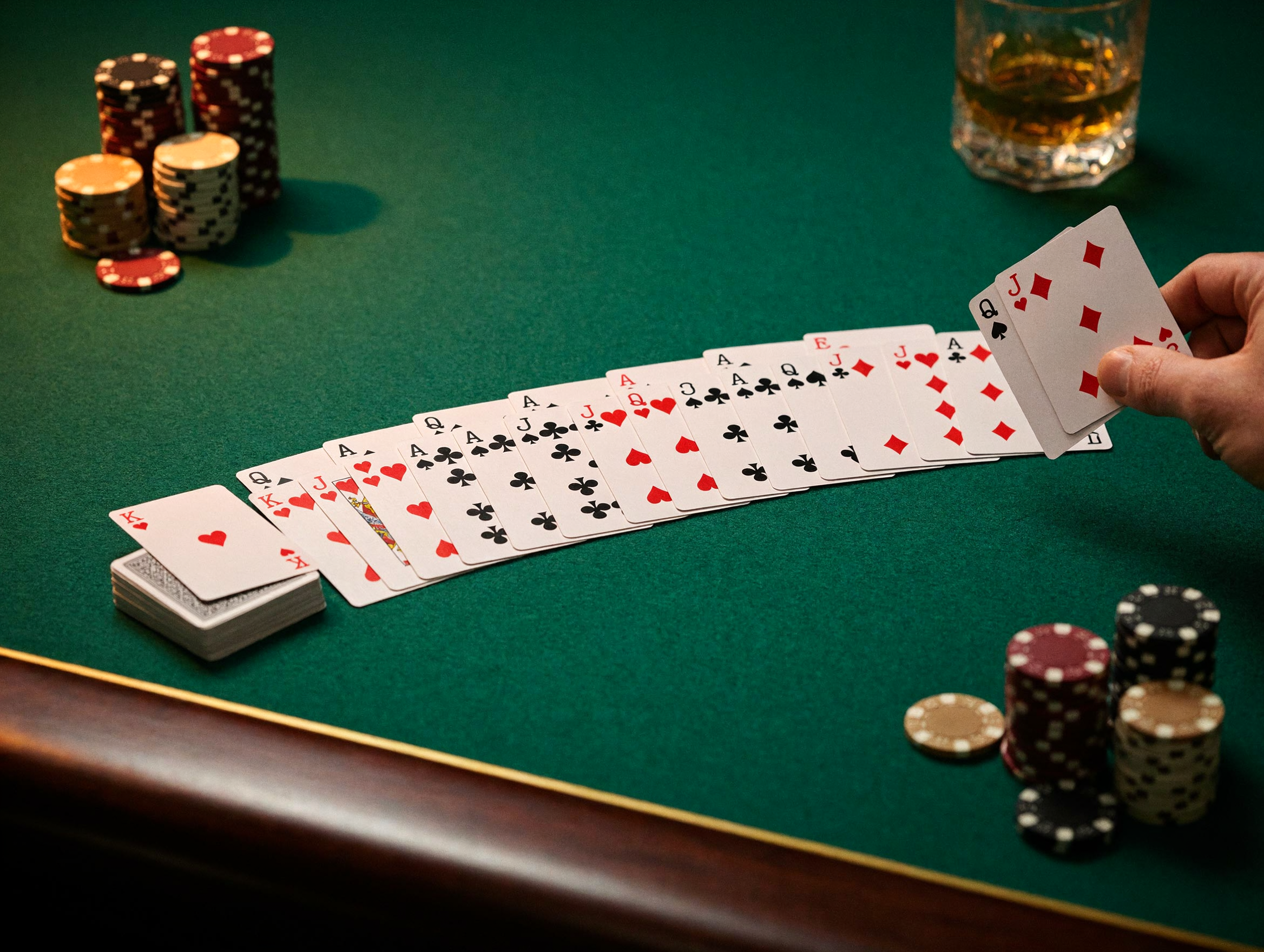
If you grew up with an old Windows computer, you probably remember opening it and, out of pure boredom, clicking on Solitaire. Maybe Minesweeper if you were feeling brave. There was nothing fancy there. Simple cards, basic sounds, a plain green table. But it worked. You played a few hands, killed ten minutes, and went back to whatever you were supposed to be doing.
Back then, that was “free gaming.” No sign-ups. No shops. No pop-ups asking for coins or gems. You opened the game, you played, and you were done.
Fast forward to today and “free” looks very different. Now you have endless free-to-play games on your phone, on your tablet, even on your smart TV. You can start playing in seconds. The download is free, but the real story sits inside the game.
When Free Was Just Free
Those early built-in games were incredibly basic, but that was the charm. Your computer gave you a small pack of games: Solitaire, Hearts, maybe a puzzle or two. Solitaire has a much longer history than its digital versions suggest, evolving from traditional card games into one of the most recognizable computer games.
Then the internet started creeping into homes and things got more interesting. Flash games showed up on websites. If you were ever “studying” in a school computer lab, you might remember secretly loading up some tiny racing game or tower defense. No install, no cost. Just click, play, close the browser tab before the teacher walked by.
The sites made their money from banner ads or a few short video clips. As players, we hardly noticed. We were just happy to have hundreds of games that ran in a browser window.
Phones Change Everything
The real plot twist came with smartphones and app stores. All of a sudden, anyone could download a game in 20 seconds while standing in a line somewhere. Developers could reach a global audience without shipping discs or boxes.
But there was a big problem. Most people really do not like paying up front for a mobile game, especially if they have never heard of it. So the free-to-play model stepped in and quietly took over.
The deal was simple. Download the game for free. If you like it, you can choose to spend on extras. At first, that meant small boosts, an extra life, or something cosmetic. Over time, many games were built around the idea that a small percentage of players would spend regularly. Developers have increasingly explored different ways to balance in-app purchases and advertising, making hybrid monetization strategies an important part of free-to-play game design.
Game design shifted with that idea. Instead of a game you finish once and move on from, you now get long-term experiences. Daily rewards, login streaks, limited-time events, special passes, and seasonal content. Some players love this. They enjoy having goals to chase and new stuff to unlock. Others look at it and feel like the game is nudging them to open their wallet a bit too often.
Still, the basic promise stayed attractive. You can try ten different games for free. If one really clicks for you, maybe you spend a little. If not, you just move on.
From Playing Alone to Playing With Everyone
While free-to-play was growing, games also started getting more social. Facebook, then mobile social features, made it super easy to bring friends into your game world.
Suddenly your screen was full of things like “Your friend just beat your high score” or “Send a life to this person.” You were not just playing against a faceless computer any more. You were quietly competing with that one friend who always seemed to be ten levels ahead.
This social side made games feel less like a private distraction and more like a casual hangout. It also laid the groundwork for something new: social casinos.
The growth of social casinos
Social casinos are a weird but fascinating blend. They borrow the look and feel of real casinos, but twist it into a largely free-to-play, virtual-credit world. You still have the slot reels, roulette tables, cards and chips. You still have the lights, the sounds, the tension before a spin completes.
The big difference is what you're actually risking. You are playing with simulated money most of the time. The emphasis is more on the experience, rather than simply winning money. Many social casino platforms have adopted familiar free-to-play mechanics, including virtual currencies, daily login rewards, progression systems, and limited-time events, to keep the gaming experience engaging. It’s more entertainment than high stakes gambling.
That’s a good middle ground for a lot of people. You get the thrill of a big win animation, but you’re often just spending virtual chips you won in-game or bought in small amounts.
How Jackpota Fits Into All This
This is where Jackpota comes in. Think of Jackpota as a way to get that casino-style vibe without stepping into a real casino. It takes familiar formats, like slot-style games and other casino-inspired titles, and wraps them in a friendly, free-to-play environment.
On Jackpota, you can try different games, watch the reels spin, enjoy the music and graphics, and feel that “one more spin” pull, but you are not putting huge money on the line every time you play. You can log in for a short break, spin a few times, chat a bit, and log out when you are done.
The idea behind Jackpota is pretty straightforward. It wants to give players the drama and excitement of a casino setting while keeping things lighter and more social. For people who like the whole atmosphere of casinos, but do not feel good about risky bets or chasing giant jackpots, this kind of platform feels a lot more relaxed.
Jackpota and other social casinos also show how far free-to-play has come from the days of bare-bones Solitaire. Now you get bright graphics, themed events, clubs or teams, chat windows, and progress systems that keep you coming back. Sure, there are offers for extra chips and in-game items, but you can still get a lot of fun out of it without spending if you are careful.
The Other Side of the Story
Of course, it is not all positive. Free-to-play games, including social casinos, come with some real concerns. It is very easy to lose track of small purchases. A cheap coin pack here, a “special offer” there, and suddenly your monthly total looks higher than you expected.
Games also use a lot of tricks to keep you engaged. Timers, countdowns, push notifications, “last chance” bundles, and daily streak bonuses are there for a reason. They tap into habits and emotions. Some players handle that just fine. They set a budget and treat it like paying for any other form of entertainment. Others find it harder to stop once they get hooked.
Because of that, there is an ongoing argument about where smart design ends and manipulation begins.
Where Free-to-Play Might Go Next
Even with those issues, free-to-play is clearly not going anywhere. The basic idea is too strong. You can try a game at zero cost, decide if you enjoy it, and only then think about paying.
It’s been a huge leap from the quiet rounds of Solitaire on an old desktop to the fast, noisy social casinos like Jackpota. Technology improved. The graphics became fancier. The business models have become more complex. But underneath it all, it's still about filling a spare moment with something fun.
In the future, free-to-play games will probably lean even more into personalisation. Games might notice when you like to play, what you click on, which themes you enjoy, and adjust offers and events around that. Some people will keep choosing slow, calm card games to unwind. Others will always chase that lively casino buzz and the thrill of a big win screen.
Either way, the journey from that little Solitaire window to platforms like Jackpota shows how much free-to-play gaming has grown up. What started as a simple time killer has turned into a huge, constantly shifting world of games that almost anyone can step into with a single tap on a screen.