
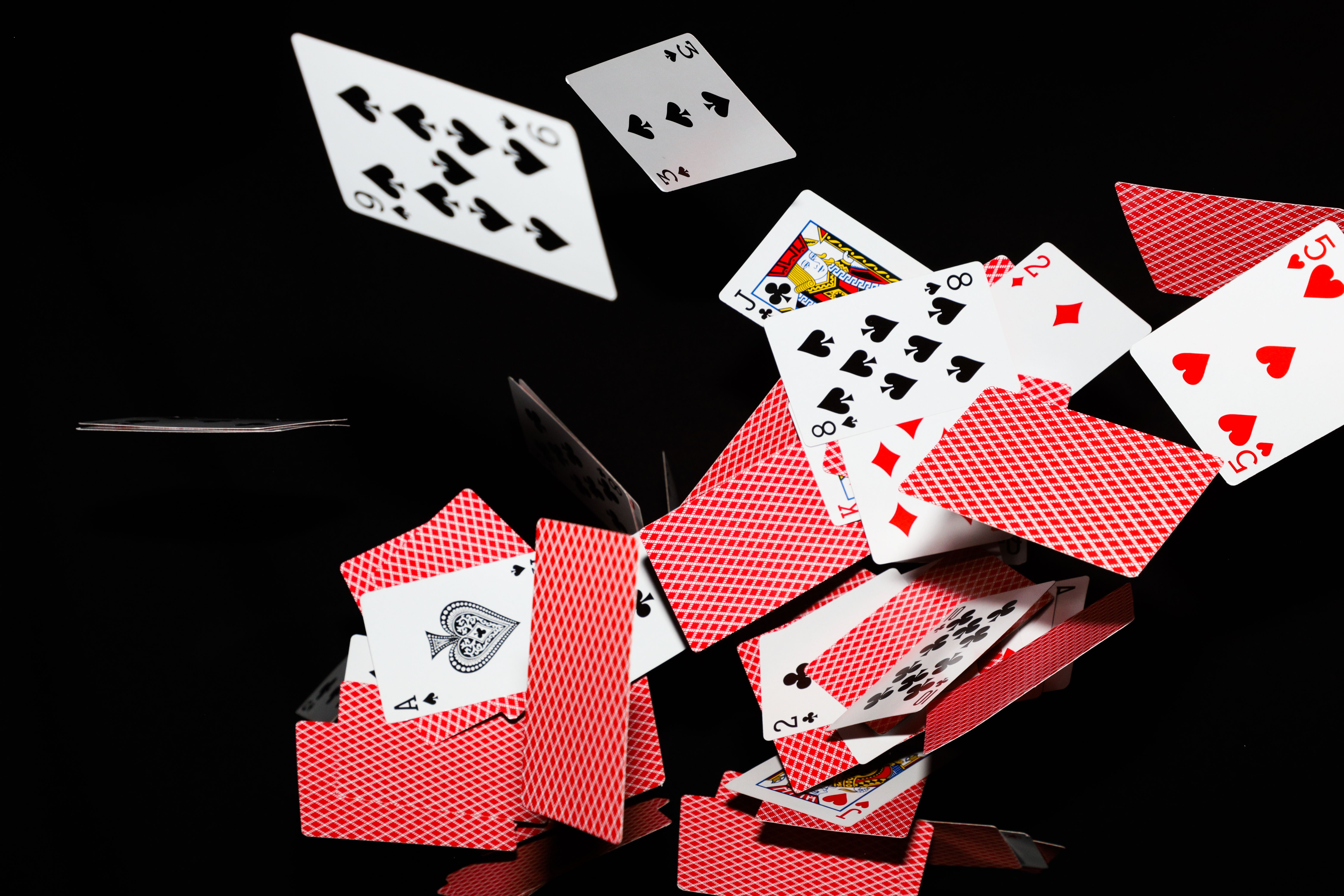
Every card game carries a tempo, and most of it has little to do with the cards themselves. The time between turns, the speed of each round, and the rhythm of decisions all influence how a game unfolds. Some formats move quickly, with little downtime between actions, while others allow players more time to consider their options. These differences affect the level of concentration required and how players engage with a game over an extended session. And pacing thus becomes an important part of the overall experience, shaping everything from individual decisions to the length and flow of a session.
The Shuffle Nobody Sees
A digital deck is mixed in a fraction of a second, and the result appears on screen already dealt. Behind that speed sits a compact piece of code based on the Fisher-Yates algorithm, which walks through the deck one position at a time, swapping each card with another chosen at random until the order is thoroughly scrambled. A physical shuffle asks for the same result and takes far longer, since hands have to cut, riffle, and square the stack, and the routine is often repeated. Once mixing and dealing take no time at all, the old pause between hands disappears, and whatever delay remains is one the designers chose to leave in.
Where One Hand Ends and the Next Begins
Few formats show how much that pause matters as clearly as zone poker. When a player folds or a hand finishes, a short sliding animation carries the seat to a different table, where new opponents and fresh cards are already waiting. A hand begins as soon as its table fills, and each player gets fifteen seconds to act, which is half the time a standard cash table allows. Blinds rotate according to a priority order, the games underneath are the same standard poker variants played at any ordinary table, and the layout resizes to suit a phone or a desktop screen. Some players like the constant motion enough to run several tables at once, each one a small zone of its own.
With the gap between hands trimmed to almost nothing, a session fills with decisions. A single evening can contain far more hands than a living-room game would ever reach, because nobody spends minutes collecting cards or waiting for a neighbor to deal. Anyone who has waited through a slow shuffle at a crowded table will recognize how much of an ordinary game is spent on housekeeping, and how little of it is spent on the choices that make the game worth playing. Online play hands that time back to the decisions.
Why Short Rounds Fit Short Breaks
Most people who open a browser for a quick game have a few spare minutes and little more. These short gaming sessions line up well with what researchers who study rest at work have found, since a break of five or ten minutes gives people a chance to recover a little before returning to the day. Medical writers who cover the subject describe a microbreak as lasting anywhere from half a minute to ten minutes, a range that a single deal fits inside comfortably.
That fit explains why a short card game feels satisfying even when it ends in a stalemate. The player sat down for a few minutes, spent them on something absorbing, and stood up with the rest of the afternoon still intact. A longer game would have asked for a larger block of time to be cleared first, and that small bit of planning is often enough to keep people from starting at all.
Setting Your Own Speed
A timer makes sense wherever other people are waiting for a move. In a solo game, nobody is waiting, so the player decides how long to study the columns, and whether to plan several moves ahead or simply push cards along and see what turns up. Some days call for quick, almost automatic play. Others suit a slow read of each column, with a glance back through the last few moves before committing to the next one. Most browser versions also let a player undo a move or ask for a hint, so a slower pace carries little risk, and a quick one can always be corrected.
The variant on the table shifts the tempo too. A simple Klondike deal tends to move along briskly, while Spider with several suits asks for longer sittings and more patience with each decision. Because the choice of game is made fresh each time, a player can match the session to the mood of the day without changing anything else about how they play.
The Quiet Value of a Clean Ending
Pace includes the stopping point as well as the speed. Every solitaire deal eventually resolves, either with the foundations filled or with no moves remaining, and that resolution hands the player a natural place to close the tab and carry on. The exit is built into the structure of the game, and it asks nothing extra of the person using it. Anyone choosing a card game for a break would do well to value that feature as highly as the cards, the layout, or the rules, since a session that knows when to end leaves the rest of the day free for everything else.