
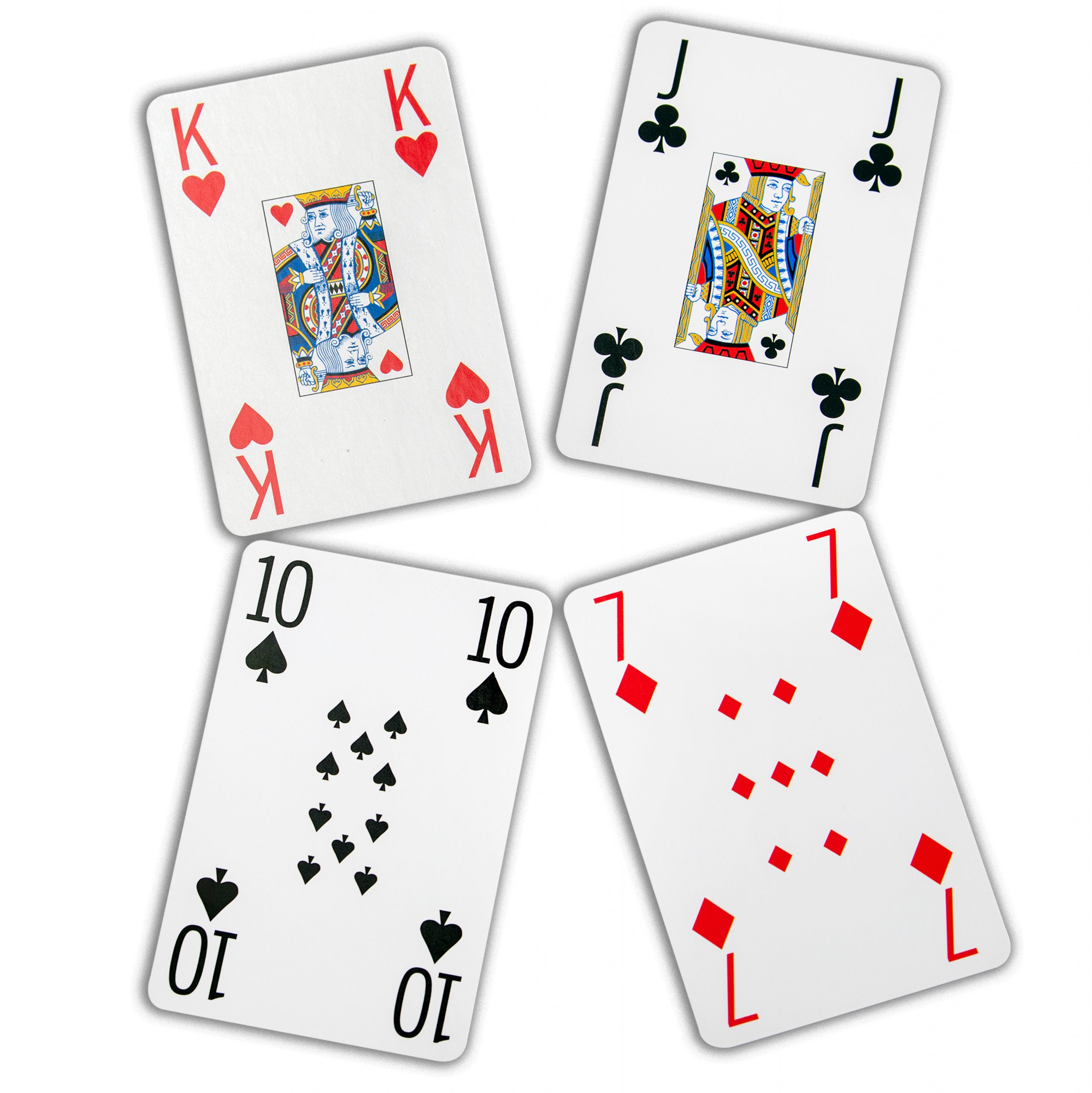
The 2026 World Series of Poker produced 4,161,023 hours watched across 344 hours of airtime, with an average of 12,111 concurrent viewers and a peak of 34,740 on June 16. Counter-Strike 2 recorded 770 million hours watched on Twitch across 2025. The distance between those two numbers is roughly 185 to 1, which explains why poker has stayed off the competitive gaming calendar while games with much shorter histories have been handed stages, national teams and eight-figure prize funds. The gap is real, and it narrows considerably once the comparison is made on structure instead of raw audience.
The Viewership Gap in Raw Numbers
Global esports viewership reached 640.8 million people in 2025. The Esports World Cup reported 750 million viewers and 350 million hours watched that year, with peak concurrent viewership of 7.98 million during its League of Legends final. Poker's largest annual event generates about 4 million hours. Against the World Cup figure that is a rounding error.
Audience size is the wrong first test, though. Organizers select titles on production viability and competitive legibility. A game that can be scored and explained on camera has a route in, and no amount of household play substitutes for that.
The Chess Precedent
Chess is the strongest argument poker has. It is centuries old, turn-based, visually static and has no publisher behind it. It still secured a peak concurrent viewership record of 370,111 on Twitch in 2021, a figure that has held since. It drew more than 4.5 million hours watched on the platform in the first half of 2026.
Competitive gaming organizers noticed. The chess final at the 2025 Esports World Cup peaked at 259,353 live viewers. Chess returned to the 2026 edition with a $1.5 million prize fund. In February 2026 it was added as the 16th title at the inaugural Esports Nations Cup, where 128 players will compete in 16 groups of eight from November 2 to November 8 in Riyadh. Chess earned those slots by producing a short format, a clean rating system and players who could be marketed as named competitors with records attached to them.
Qualification Paths and Online Play
Esports qualification usually begins online, months before anyone reaches a stage. Open ladders in Counter-Strike and Dota feed regional finals, and chess ran its Esports World Cup qualifiers on web clients. Poker has the same infrastructure built already, since online poker games have fed satellite winners into live events for two decades.
That matters for scale. A qualifier costing a player nothing but time produces field sizes no venue could seat, and it hands broadcasters a documented record of results before any camera is switched on.
The Skill Question and Its Evidence
The objection organizers raise first is variance. It has been measured. Steven Levitt and Thomas Miles studied the 2010 World Series of Poker and found that highly skilled players returned an average of more than 30% on their entries, while the rest of the field averaged minus 15%. A separate study from Heidelberg University concluded that both skat and poker involve more than 50% luck in any short sample, and that skill overtakes luck at roughly 1,471 hands.
A 1,471-hand sample is far longer than any televised final table and far shorter than a full season of scheduled play. Any competitive format that wants poker to be legible as a contest has to run long enough to pass the threshold, which points toward cumulative team scoring across many sessions and away from single-table knockout drama.
Existing tournament poker does the opposite. It compresses a field of thousands into one table over a few days and crowns whoever survives, a design built to produce a story. Competitive gaming already uses the alternative model in every title on its schedule. Regular season points and playoff seeding exist to stop one bad game from deciding a year. Poker has the sample-size research to justify the same treatment and has never applied it, because entry fees reward volume of events, and continuity between them earns an operator nothing.
Broadcast Technology Already Solved
Poker fixed its spectator problem before most current esports titles existed. Henry Orenstein, the Polish-American inventor who also created the Transformers toy line, patented a camera that showed a player's concealed cards to the audience. It was used first on the UK program Late Night Poker in 1999, and ESPN adopted it at the World Series of Poker in 2002.
Broadcasters saw the result immediately. A viewer with full information can evaluate every decision as it happens, which converts a closed game into a readable one. Competitive gaming still argues about observer tools and spectator delay in games where the same problem has no settled answer. Poker answered it 27 years ago and has operated on that answer since. The commercial result was measurable within three years, as coverage moved from a late-night slot on one British channel to a fixture on a major American sports network. Every organizer assessing a new title is asking the question Orenstein already answered, which is what a viewer has to see in order to care about the next decision.
The Two Unsolved Format Problems
Two obstacles are genuine. The first is duration. The 2026 World Series of Poker ran from May 30 to August 5 and paid out $85,634,400. A single flagship event can consume several days of play before a winner exists, which does not fit a scheduled broadcast block or a group-stage bracket. Chess solved the same problem with fast chess formats, which compress a full tournament into a week.
Prize money creates the second obstacle. The Esports World Cup committed $75 million in prize money for 2026, plus a separate $45 million ecosystem fund, and that money arrives from organizers and sponsors. Poker's larger-looking $85 million is player money recycled through entry fees. Brand partnerships in competitive gaming buy broadcast inventory and club affiliation, and a prize pool funded by the competitors themselves gives a sponsor nothing to attach itself to. Poker would need to build sponsor-funded team events on top of its existing structure to sell the same product.
The Missing Rulebook
The precedent exists, the camera technology is older than most titles on the Esports Nations Cup schedule, and the online qualification pipeline has been running for 20 years. What poker has not produced is a format that fits an eight-hour broadcast window and a scoring system a national team could be ranked against. Chess answered that by cutting the clock and accepting a rougher standard of play in exchange for a fixed schedule. Poker's version of that edit would mean fixed hand counts, shallow stacks and results tallied across a roster instead of a single seat.
The open question is who writes that rulebook. Tournament operators have no reason to redesign a product that already sells entries, and competitive gaming organizers have no reason to build a format for a game that has not asked to be included. Until one side moves, poker will keep posting 4 million hours a year in a market that counts in hundreds of millions.