
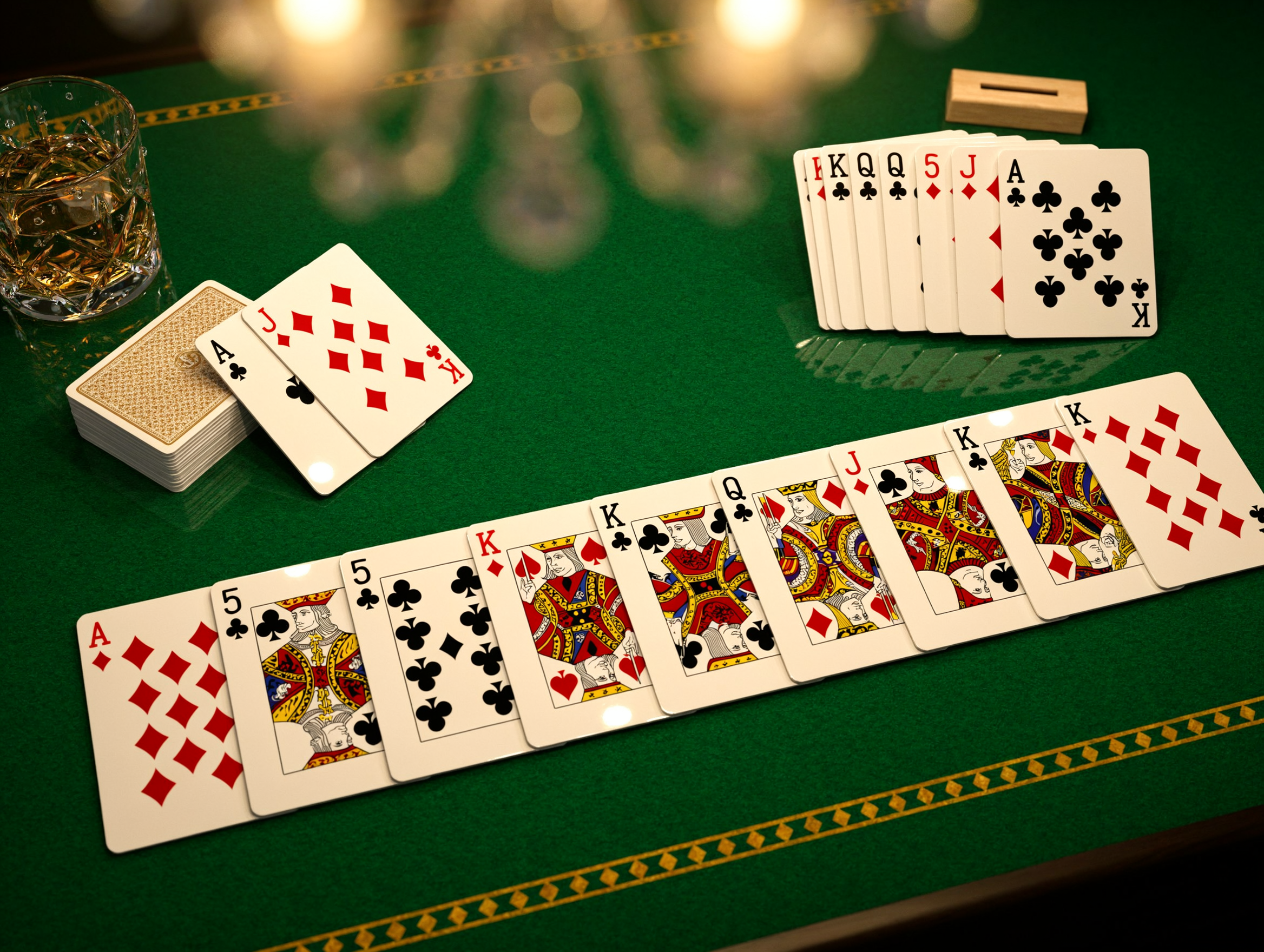
Solitaire was never loud. It sat on office computers, kitchen tablets, and borrowed phones, waiting for a spare five minutes. That quiet nature explains why the game now fits people with packed days and players who grew up before apps had badges, streaks, and chat windows. No timer has to bark. No teammate gets annoyed. A missed move hurts nothing except the current hand. For someone checking email between errands, that matters. For a retired player who wants a calm card table after breakfast, it matters too. The same appetite for private, low-friction play appears across casual web habits; some Danish readers searching for a Danish casino not on MitID show the same wish to pick digital spaces without fuss, pressure, or long setup screens. Solitaire meets that mood in its cleanest form: click, think, move, pause.
The old desktop habit moved online
Microsoft put Solitaire in Windows 3.0 in 1990, partly to teach mouse control. People learned drag-and-drop by moving kings onto empty columns. Simple trick. It worked. Three decades later, browser and phone versions kept the ritual but removed the heavy parts: no install discs, no saved files to manage, no table to clear before dinner. A player can open Klondike during a bus delay, then close it when the driver calls the stop.
For busy adults, the browser tab changed everything. There is no lobby music, no profile picture, no public score unless the player asks for it. A hand can sit half-finished while soup boils or a nurse calls a name in a clinic. The game waits. That tiny courtesy is rare online. It sounds plain because it is plain. That low ceremony also sits beside wider online choice. Someone comparing a Danish casino not on ROFUS is looking at risk, access, and rules; a Solitaire player is usually after the opposite feeling, a closed loop with no money, no stranger, and no account argument. The point is control. Even searches for a foreign online casino share one small behavior with Solitaire use: people like options that sit outside their usual routine, ready when a dull pocket of time appears.
No scoreboard breathing down the neck
Busy players do not need another system judging them. Solitaire gives feedback, but it does not scold. A red queen either fits on a black king or she does not. Clear. The lesson arrives in one second, without a pop-up calling the player a novice.
Older players appreciate that directness. Many remember card rules taught at a dining table, where mistakes were corrected by a sibling, not by a flashing warning. Online Solitaire keeps the familiar pattern. The screen may offer undo, hints, and larger card faces, yet the core stays the same. Count spaces. Build suits. Protect the aces.
The pace stays human. A player can stare at a blocked tableau for half a minute and nobody sighs. That pause is the whole charm.
Small decisions suit tired minds
After a long shift, chess can feel like homework. Multiplayer games ask for reflexes, headphones, updates, and patience with strangers. Solitaire asks for one choice at a time. Move the seven. Flip the stock. Leave the column open. Stop if dinner is ready.
This matters for cognitive comfort. A 2022 AARP survey said 44 percent of adults over 50 played video games at least once a month, and many named puzzle or card games as favorites. The reason is easy to see. These games give the brain a neat task without demanding a new identity or a fast thumb.
Solitaire also allows graceful failure. Losing a hand feels like shuffling wrong, not failing publicly. The player can deal again in two seconds. No speech. No apology.
Design choices that welcome older hands
Good Solitaire design is not fancy. It is readable. Large pips, strong contrast, and a stock pile that sits where players expect it beat glossy animations every time. Small screens need extra care. A shaky tap should not throw the eight of clubs onto the wrong pile.
Accessibility settings make a quiet difference. Larger text helps cataract patients. Color-blind modes stop red and black suits from blurring into guesswork. An undo button helps players with arthritis, because one slipped finger should not spoil ten careful moves.
Sound matters too. Many older players keep tablets in shared rooms, near a television or sleeping partner. A good version lets the cards stay silent. Peace is part of the game.
Why the pressure stays low
Several small traits protect Solitaire from becoming another noisy app. First, the game has natural stops. A finished hand ends cleanly, and a stuck hand ends when the player decides. There is no twenty-minute match trapping someone who only had seven minutes before the laundry buzzed.
Second, privacy is built in. The player does not need a username that sounds clever or a friend list that needs pruning. For older adults wary of scams, chats, and mystery notifications, that bare setup feels safe for a reason. Fewer doors mean fewer worries.
Third, skill grows quietly. A player learns to reveal face-down cards early, leave space for kings, and avoid burying low cards under high ones. None of this requires a tutorial voice. Pattern memory does the teaching.
Solitaire became the low-pressure online game because it respects interruptions. It respects slower hands. It respects people who want a little mental work without being pulled into a crowd. Busy parents, retired teachers, night-shift workers, and grandparents with ten quiet minutes all get the same deal: a deck, a screen, and permission to stop.
A good next step is simple. The player picks a version with big cards, undo, no forced sign-in, and no loud rewards. One hand after coffee shows how calm the day can start. If the eyes feel tired, increasing the browser zoom to 125 percent is a better fix than squinting through one more hand. The deck will wait anyway, happily. No rush.